Second Hand Sewing Machine Buying Guide: What to Check Before You Pay
Quick Answer: How Do You Check a Second Hand Sewing Machine?
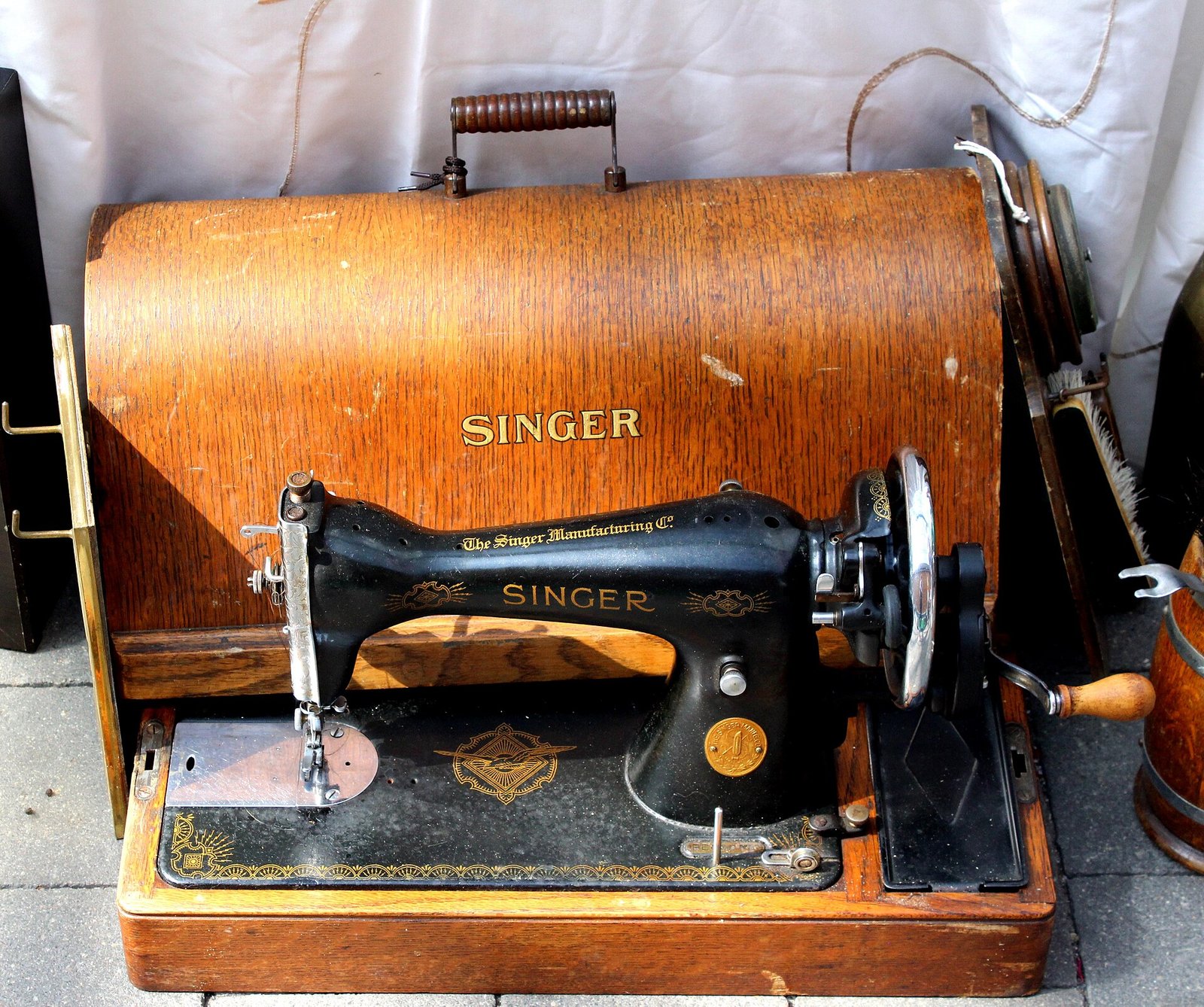
- Safest used buy: a metal-body straight-stitch hand or treadle machine (Usha, Singer, Merritt type) or a basic mechanical Usha Janome, Singer or Brother
- Riskiest used buy: computerised machines with a screen, because a dead circuit board can cost more than the machine
- Never skip: the test sew on your own fabric
- Fair price: roughly 40 to 60 percent of today's new price for a working, clean machine (see the price table below)
Is a Second Hand Sewing Machine Worth Buying?

Buy second hand when
- You are learning and want a sturdy machine for under Rs 3,000 to Rs 4,000
- You mainly sew straight seams: blouses, kurtas, petticoats, alterations, pillow covers
- You want a heavy metal machine that handles denim and thick cotton better than a light plastic mini machine
- A local mechanic can look at it with you, or the seller is a repair shop that gives a short warranty
Buy new instead when
- You want decorative stitches, an automatic buttonhole or a needle threader. These are cheaper to get new than to repair
- You cannot see or test the machine before paying (an online-only listing with no return)
- The model is discontinued and you cannot find its bobbins or presser feet
- Your budget is close to a new machine with a 1 to 2 year warranty. See our best sewing machines under 5000 and under 10000 guides
Which Used Sewing Machines Are the Safest Buy in India?
| Machine type | How it ages | Main risk when used | Check most |
|---|---|---|---|
|
Hand or treadle straight-stitch (black metal body) |
Very well. Can run for decades |
Rust, worn shuttle, missing parts |
Handwheel, shuttle and bobbin case, feed dogs |
|
Hand machine with add-on motor |
Well |
Weak motor, old wiring, slipping belt |
Cord, pedal, motor heat and sparks, belt |
|
Basic electric zig-zag (mechanical dials) |
Well if not dropped |
Plastic gears, stiff dials, bent needle bar |
Every dial, zig-zag width, reverse, buttonhole |
|
Computerised (screen and buttons) |
Poorly if stored in damp |
Circuit board or display failure |
Every button, every stitch, error codes |
|
Industrial lockstitch (tailoring shop) |
Well if oiled |
Worn hook, tired clutch or servo motor, oil leaks |
Hook, oil flow, motor noise, table and stand |
Where to Buy a Second Hand Sewing Machine
- Local sewing machine repair shops: the safest option. Many sell reconditioned machines that have been cleaned, oiled and adjusted, and some give a short service warranty. Ask for it in writing on the bill.
- Tailors upgrading their shop: tailoring shops often sell older straight-stitch or industrial machines when they buy new ones. These machines were used daily but usually oiled daily too.
- Family, neighbours and friends: you know the history. Still run the full checklist, because a machine that sat unused for years can be stiff with dried oil.
- OLX, Facebook Marketplace and local groups: the widest choice and the lowest prices, but no warranty. Meet in person, test sew, and never pay an advance to hold a machine you have not seen.
- Scrap and kabadi shops: fine for an old metal hand machine if you are ready to clean it. Expect missing parts.
What to Carry When You Go to See the Machine
- Three fabric scraps: a thin one (georgette or voile), plain cotton, and a strip of denim you can fold into four layers
- Two reels of thread in different colours, so you can see the top and bobbin threads clearly in the test seam
- A new needle, size 14 (90), in case the one in the machine is bent or blunt. See needle sizes if you need a different size
- A small screwdriver to open the needle plate and face plate (ask first)
- Your phone torch to look into the bobbin area and underneath
- An extension board if you are testing an electric machine at a flea market or shop counter
- Some cloth and a little sewing machine oil to wipe off dust and see the real surface
The Inspection, Step by Step
1. Look over the body and open the covers
- Look for cracks in the casting or plastic, especially around the arm and the bed corners. A cracked body is not worth repairing
- Check the model or serial plate. A clear brand and model name makes it easy to buy matching bobbins and feet later
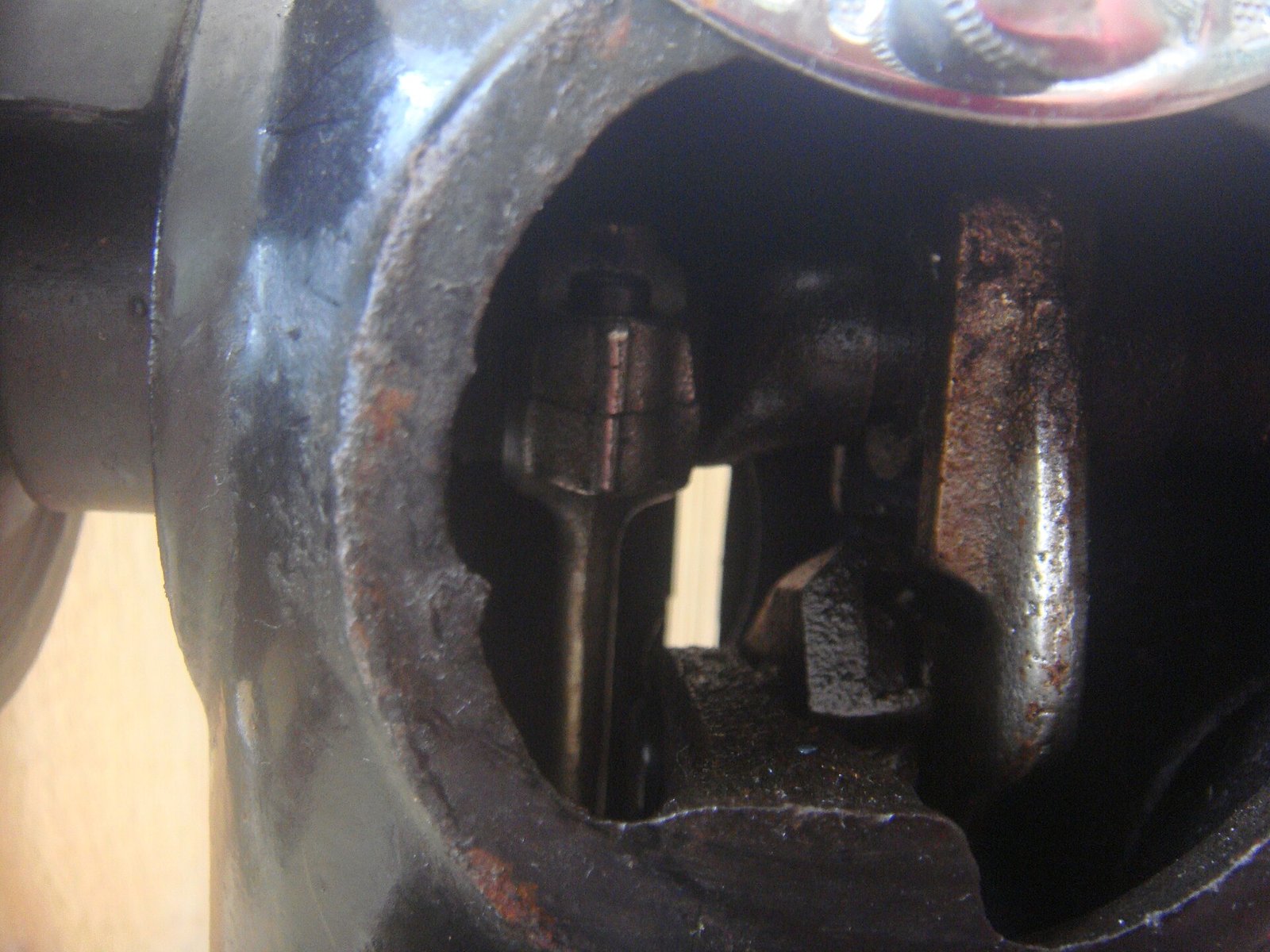
- Remove the face plate on the left end (one screw on most machines) and shine your torch inside. Light surface rust and brown dried oil clean off. Deep, flaky rust on moving parts does not
- Count the parts you can see against the manual or a photo of the same model. Missing slide plates, bobbin cases and presser feet add to your cost
2. Turn the handwheel by hand
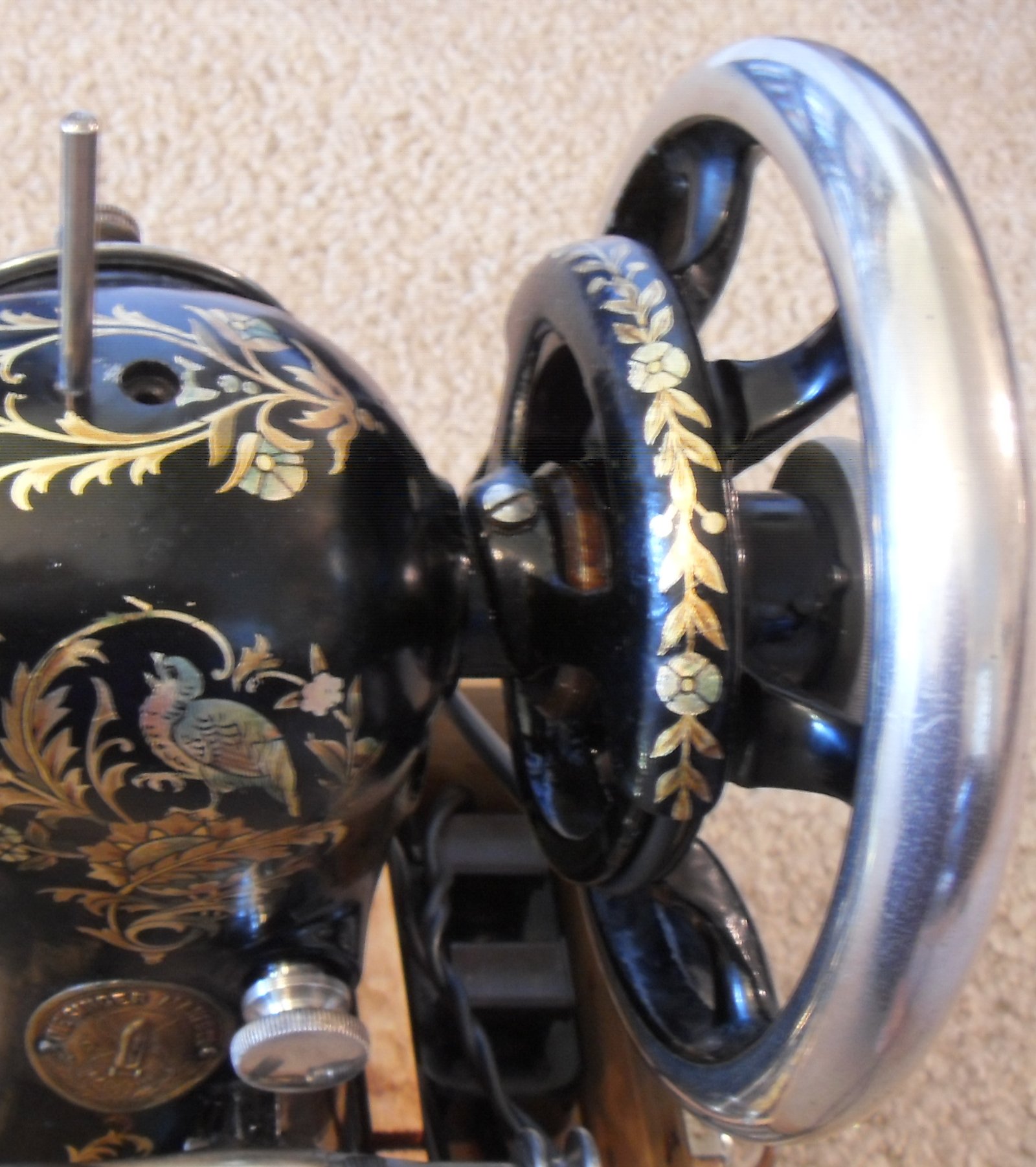
- Good: smooth, even movement with a light, steady resistance, and the needle, take-up lever and feed dogs all move together
- Stiff but even: usually dried oil. A clean and oil often fixes it
- Grinding, clicking or a tight spot at the same point each turn: a worn or damaged part, often in the hook area. Ask for a lower price or walk away
- Wheel spins but the needle does not move: on hand machines the clutch knob in the centre of the wheel may be loose (this is how bobbin winding works). Tighten it and try again. If it still slips, the clutch is worn
3. Check the needle bar, presser foot and needle plate
- Hold the needle bar and try to move it side to side. It should not wobble. A loose needle bar gives skipped stitches that no adjustment fixes
- Raise and lower the presser foot lever. The foot should lift cleanly and drop firmly onto the feed dogs
- Run your fingernail around the needle hole in the needle plate. Burrs and deep scratches mean the needle has hit the plate many times. A new plate is cheap, but it can also be a sign of a timing problem
- Look at the needle itself: bent, blunt or the wrong type tells you how the machine was looked after
4. Check the feed dogs
- Turn the handwheel and watch them rise above the plate, move back, then drop. They should rise evenly, not tilted
- Rub a finger across the teeth. They should feel sharp and grippy, not smooth and polished
- Look for packed lint between the teeth. It is easy to clean but tells you the machine was not serviced
- If the machine has a drop-feed knob, check that the feed dogs go down and come back up
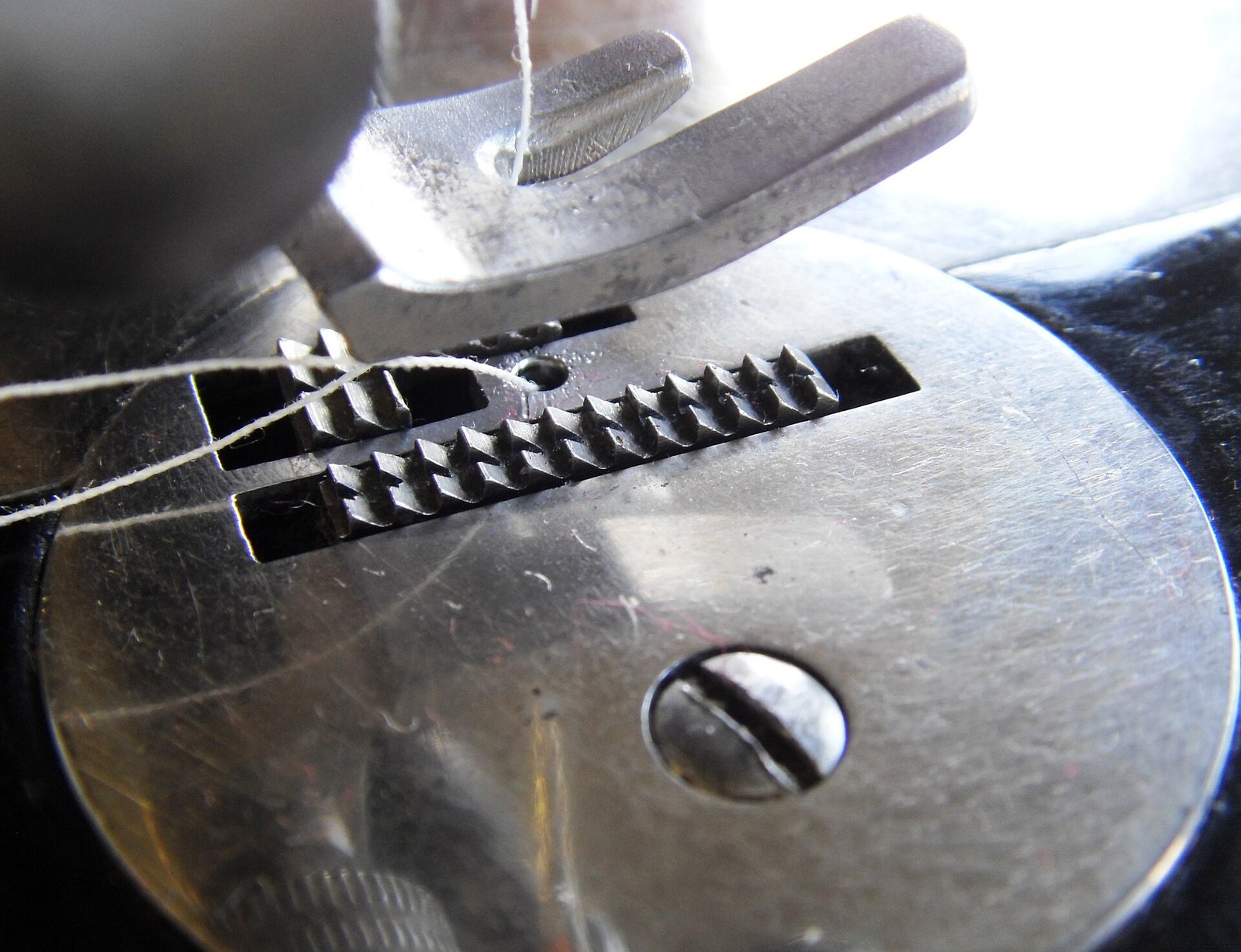
5. Open the bobbin area
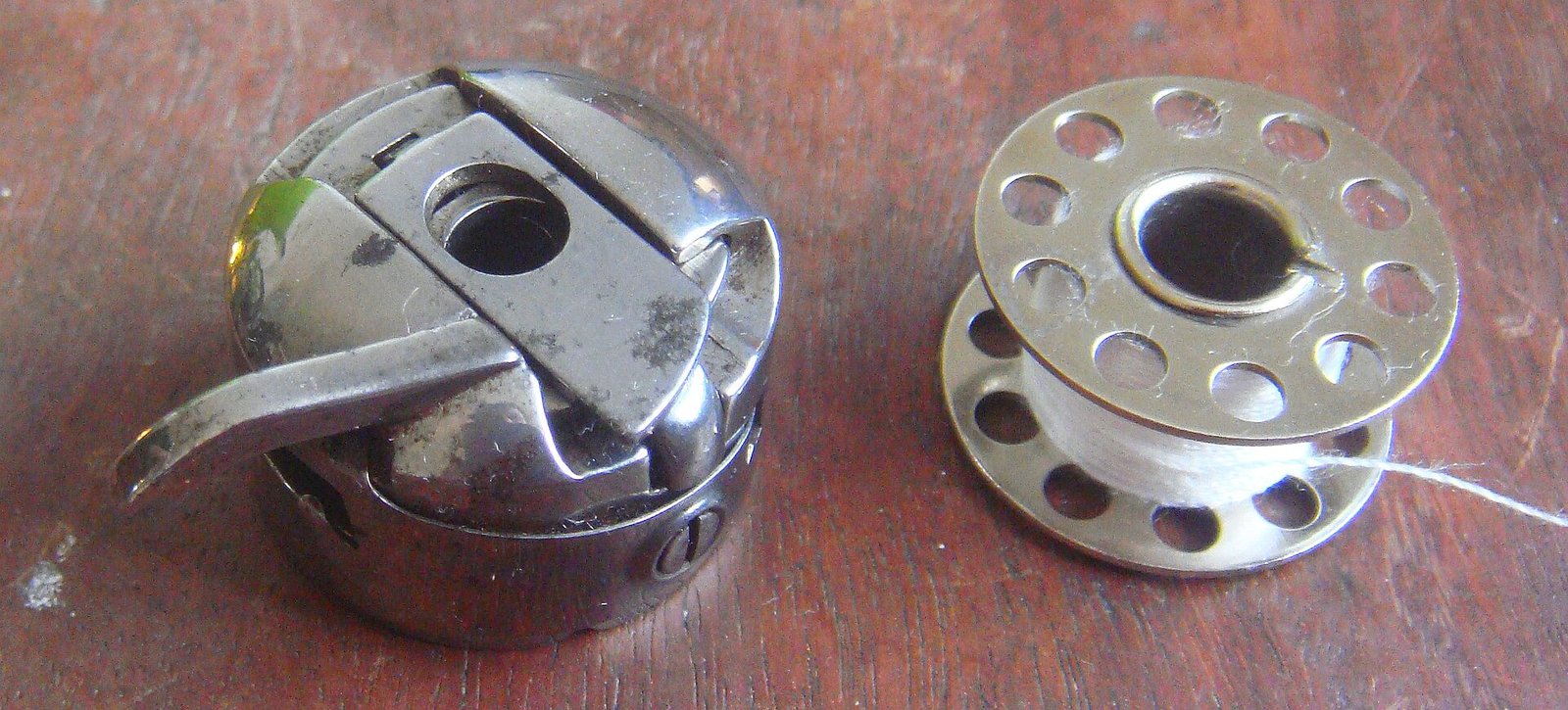
- Check that a bobbin and bobbin case are actually present and that the bobbin is the right type for the model. Bobbins look alike but differ in size
- Look at the edge of the bobbin case and the hook point for nicks or rough spots. A nick shreds the top thread
- Check the small tension spring on the bobbin case is not bent, loose or missing
- On drop-in machines, check the clear cover plate is not cracked and the bobbin sits flat
- Shine your torch around the hook. Thick lint, broken thread pieces and needle tips stuck here are common
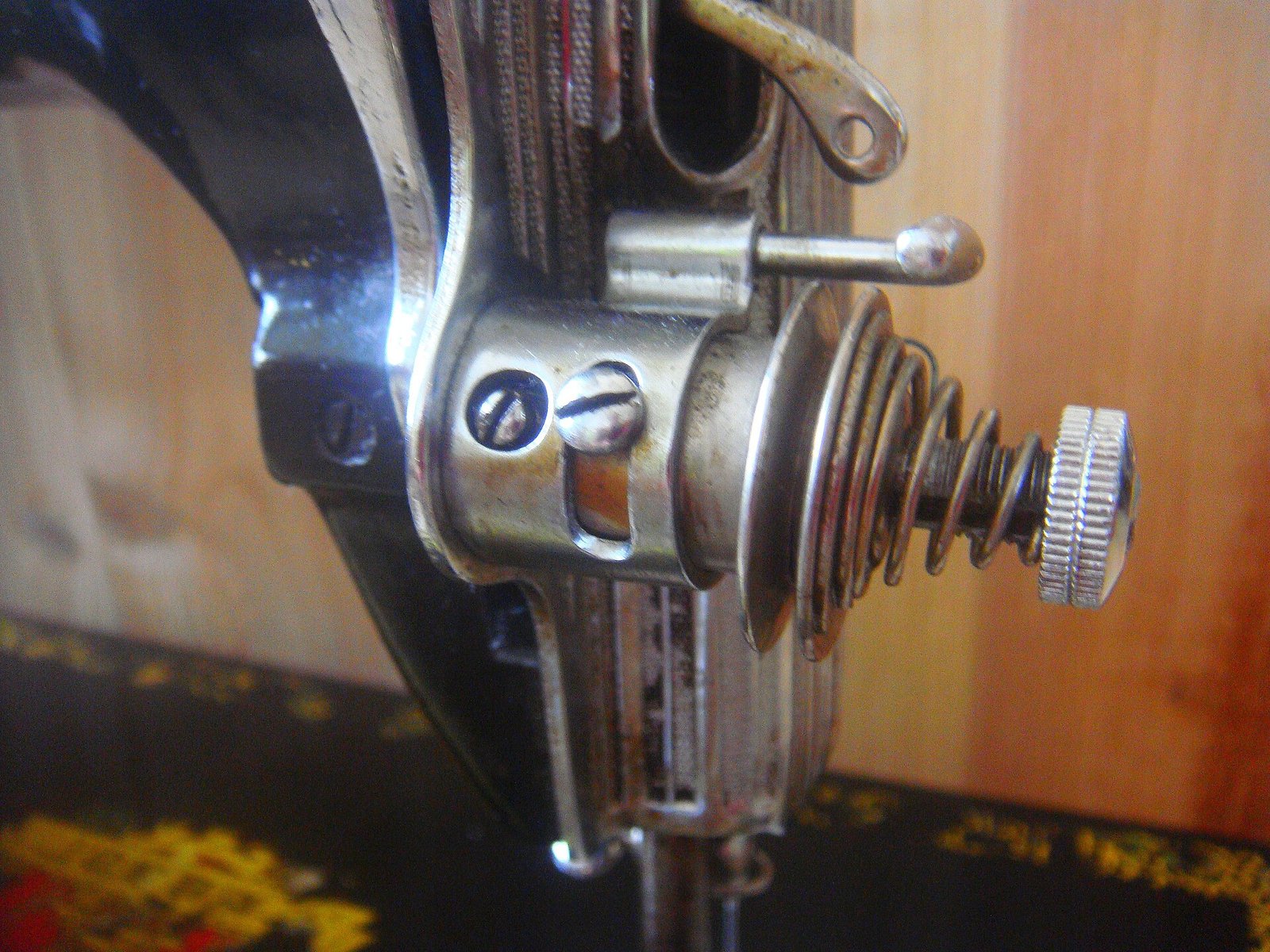
6. Test the thread tension parts
- Turn the tension dial or nut through its full range. It should turn smoothly and click or stop at the ends, not spin freely
- Check the small check spring next to the tension discs is present and springy
- Look at the discs for grooves cut by thread. Grooved discs give uneven tension
- Thread the machine yourself, following the correct threading path, with the presser foot up so the discs open
7. Look underneath
- Look for cracked, broken or missing levers and rods
- Light rust and old oil can be cleaned. Heavy rust on the shafts and gears is a reason to walk away
- Check for signs of a past drop: bent rods, a crack near the bed corners, or parts that do not line up
- On portable electric machines, check for melted plastic or burnt smell near the motor

8. Check the cord, pedal, motor and belt (electric machines)
- Cord and plug: no bare wire, no tape repairs, and insulation that bends without cracking
- Foot pedal: press slowly. Speed should rise smoothly from very slow to fast. A pedal that jumps from stop to full speed makes sewing hard
- Motor: run it for two or three minutes. No sparks, no smoke and no burnt smell. It should be warm, not too hot to touch
- Belt: no cracks or fraying. A slipping or squealing belt is cheap to replace. The rubber ring on the motor pulley should not be hard and glazed
- Light: a dead bulb is a small cost, but check that the switch works

Then test sew: the step that decides it
- Thin fabric: sew a straight line on georgette or voile. The fabric should not bunch or get pulled into the needle hole
- Cotton: sew straight, then a curve. Turn the fabric over. The stitches should look the same on both sides, with the threads locking in the middle of the fabric
- Four layers of denim: the machine should push through without stalling or skipping. Use the handwheel to help over the thickest point
- Reverse: press the reverse lever or move the stitch regulator past zero. The machine should sew back over the same line
- Stitch length: change it from short to long and check the stitches change
- Zig-zag and buttonhole (if the machine has them): try every stitch on the dial at least once

Extra Checks for Computerised Machines
- Switch on and wait for the screen. Look for error codes or a flickering display
- Press every button and try every stitch pattern, including the automatic buttonhole
- Check that the needle up/down button and the auto thread cutter (if fitted) work
- Ask for the original power adapter or cable and the manual. Some models are fussy about replacements
- Ask when it was last used. Machines stored for years in a damp room can have corroded contacts
Red Flags: Walk Away If You See These
- The seller will not let you test sew, or only shows a video
- A crack in the body or bed
- Grinding or a tight spot in the handwheel that oil does not ease
- The needle bar wobbles or the needle hits the plate
- Deep rust on the shafts, hook or feed dogs
- Sparks, smoke or a burnt smell from the motor
- Missing bobbin case, slide plate or presser foot on a model whose parts you cannot find
- Computerised machine with an error code the seller "will fix later"
- The asking price is close to the price of the same model new
How Much Should You Pay for a Second Hand Sewing Machine?
| Condition | What it looks like | Fair price (share of today's new price) |
|---|---|---|
|
Like new |
Under 2 years old, bill and accessories, light use |
About 60 to 75 percent |
|
Good, working |
Clean, passes every check, some marks |
About 40 to 60 percent |
|
Needs service |
Stiff wheel, lint, old belt, but sews |
About 25 to 40 percent, minus the service quote |
|
Not working or parts missing |
Fails the test sew or key parts missing |
Parts value only |
Costs to add to the price
- A full service: clean, oil and timing check. Ask a local mechanic for a quote before you buy
- A new pack of needles and a few correct bobbins
- A new belt if the old one is cracked
- A motor and pedal if you are converting a hand machine
- Transport. A treadle stand is heavy and awkward to move
Bargaining and Paperwork
- Use every fault you found as a reason for a lower price: "the belt is cracked and it needs a service" works better than "can you reduce"
- Ask for the original bill. It proves the machine is not stolen and shows the age
- Ask what comes with it: manual, bobbins, bobbin case, extra feet, cover, motor, pedal and stand
- From a shop, get the warranty or return period written on the bill
- From a private seller, ask if you can return it within a day or two if it does not sew at home. Many will agree
- Pay after testing, not before
After You Bring It Home: First Steps
- Get it serviced once, even if it sewed well. A mechanic will clean the hook area, oil it and check the timing
- Fit a new needle and use bobbins made for that model
- Clean out the lint under the needle plate and around the bobbin case with a small brush
- Oil only where the manual shows, with sewing machine oil, never household oil. The University of Kentucky extension sheet Preventive Machine Maintenance is a good simple reference
- Sew a few practice seams on scrap before your first real project
- Keep it covered and away from damp walls during the monsoon
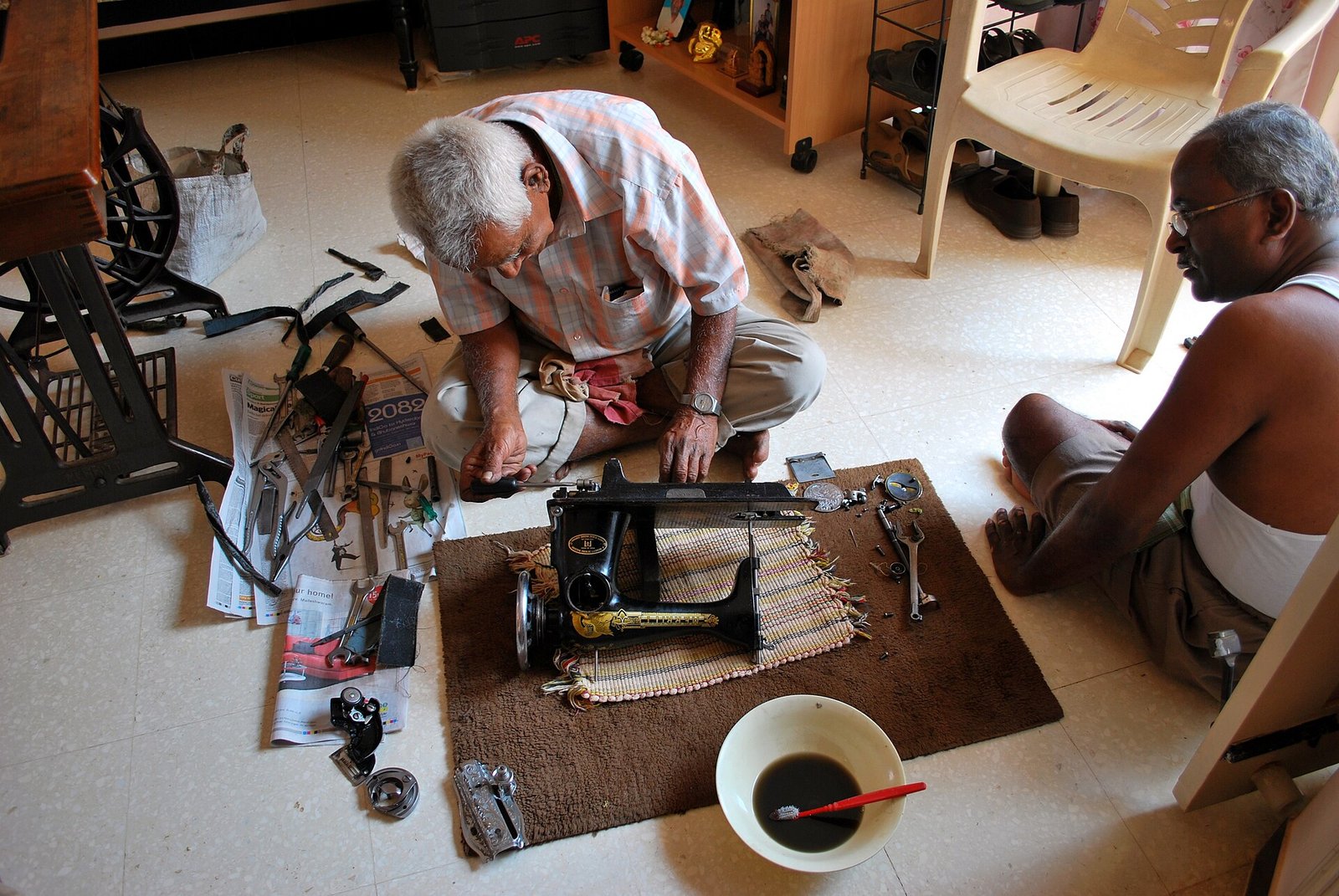
Second Hand vs New: A Quick Comparison
| Point | Second hand | New |
|---|---|---|
|
Price |
Lower. Often half the new price or less |
Full price |
|
Build |
Old models often all metal |
Many budget models mostly plastic |
|
Warranty |
None, or a short shop warranty |
Usually 1 to 2 years (check the listing) |
|
Features |
Mostly straight stitch or basic zig-zag |
More stitches, buttonhole, needle threader |
|
Risk |
Hidden faults if not checked |
Low |
|
Best for |
Straight seams, tailoring practice, tight budgets |
Beginners who want help features, varied stitches |
Frequently Asked Questions About Buying a Second Hand Sewing Machine
Yes, if you can see and test it first. Metal straight-stitch hand machines and basic mechanical electric machines age well and are cheap to service. Avoid computerised machines unless you can test every function, because electronic repairs are costly.
Turn the handwheel by hand for smooth movement, check the needle bar for wobble, look at the feed dogs, needle plate and bobbin case for wear or nicks, test the tension dial, check the cord, pedal, motor and belt on electric machines, then test sew on thin cloth, cotton and four layers of denim.
As a rule of thumb, about 40 to 60 percent of today’s new price for a clean, working machine, and less if it needs a service or parts. Check a few local listings of the same model to see the going rate in your city.
Usha, Singer and Brother are the easiest because spare parts and mechanics are easy to find in most towns. Old black metal hand machines from these brands are among the safest used buys.
A metal hand or treadle machine that passes the checks can run for many more years with regular cleaning, oiling and a service every couple of years. Electric and computerised machines depend more on the motor and electronics.
Yes. Most hand machines can take an add-on domestic motor and foot pedal. Have a mechanic fit it so the belt lines up with the handwheel.
It can be, if you meet the seller, test sew on your own fabric before paying, and ask for the bill. Never pay an advance for a machine you have not seen working.
Yes. Even a machine that sews well benefits from one full clean, oil and timing check. Also fit a new needle and use bobbins made for that model.
Key Takeaways

Hi, I’m Abirami. I have many years of hands-on experience in sewing and tailoring, from stitching everyday clothes and blouses to doing alterations at home. I write Riderly’s sewing machine reviews and guides, and I use that experience to judge which machines are easy to thread, stitch cleanly and suit Indian homes and beginners.