Sewing Machine Not Feeding Fabric? 9 Causes and How to Fix Them
Quick Answer: Why Is My Sewing Machine Not Feeding Fabric?
- Most common cause: stitch length or stitch regulator set at 0
- Second most common: feed dogs dropped after darning or free-motion work
- Most missed: lint packed between the feed dog teeth
- Needs a mechanic: feed dogs worn smooth, too low, or not moving at all when you turn the handwheel
How Your Machine Moves the Fabric
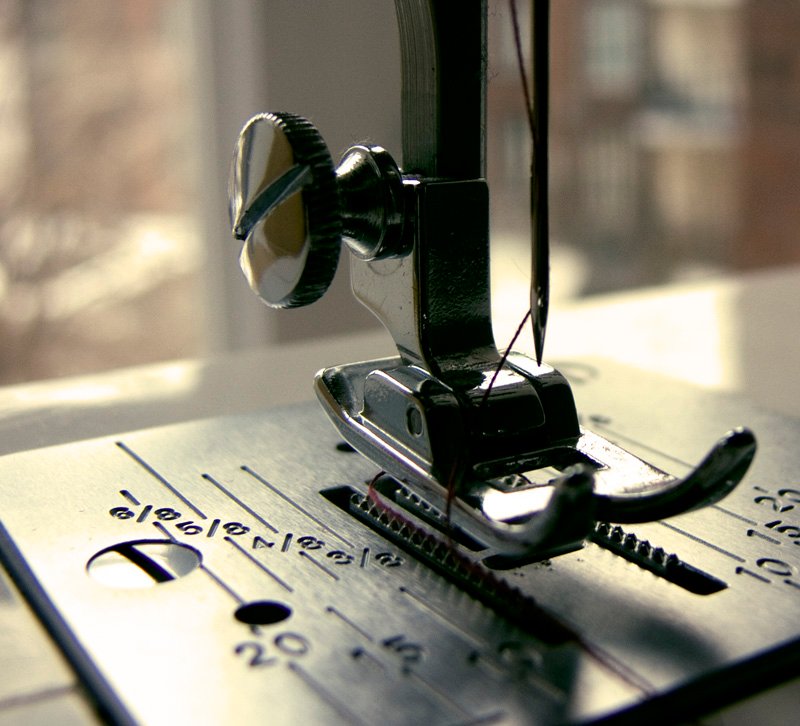
A Two-Minute Test Before You Start
- The feed dogs rise above the plate and move back: the feed is working. The problem is the foot, the pressure, the fabric or the needle (causes 3 to 8)
- The feed dogs rise but do not move back: the stitch length is at 0 (cause 1)
- You cannot see the feed dogs at all: they are lowered or covered (cause 2), or they need a mechanic (cause 9)
- The feed dogs barely show above the plate: they may be set too low or worn (cause 9)
The 9 Causes and How to Fix Each One
1. Stitch length is set to 0
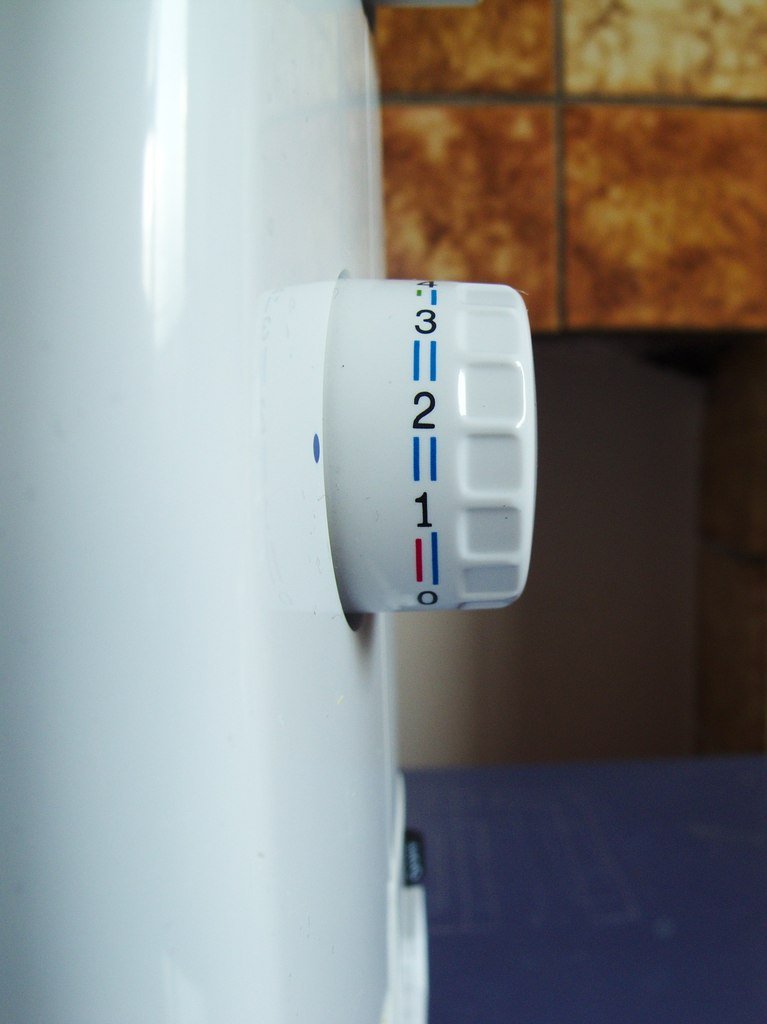
- Electric machines: set the stitch length dial to about 2.5 for normal cotton sewing
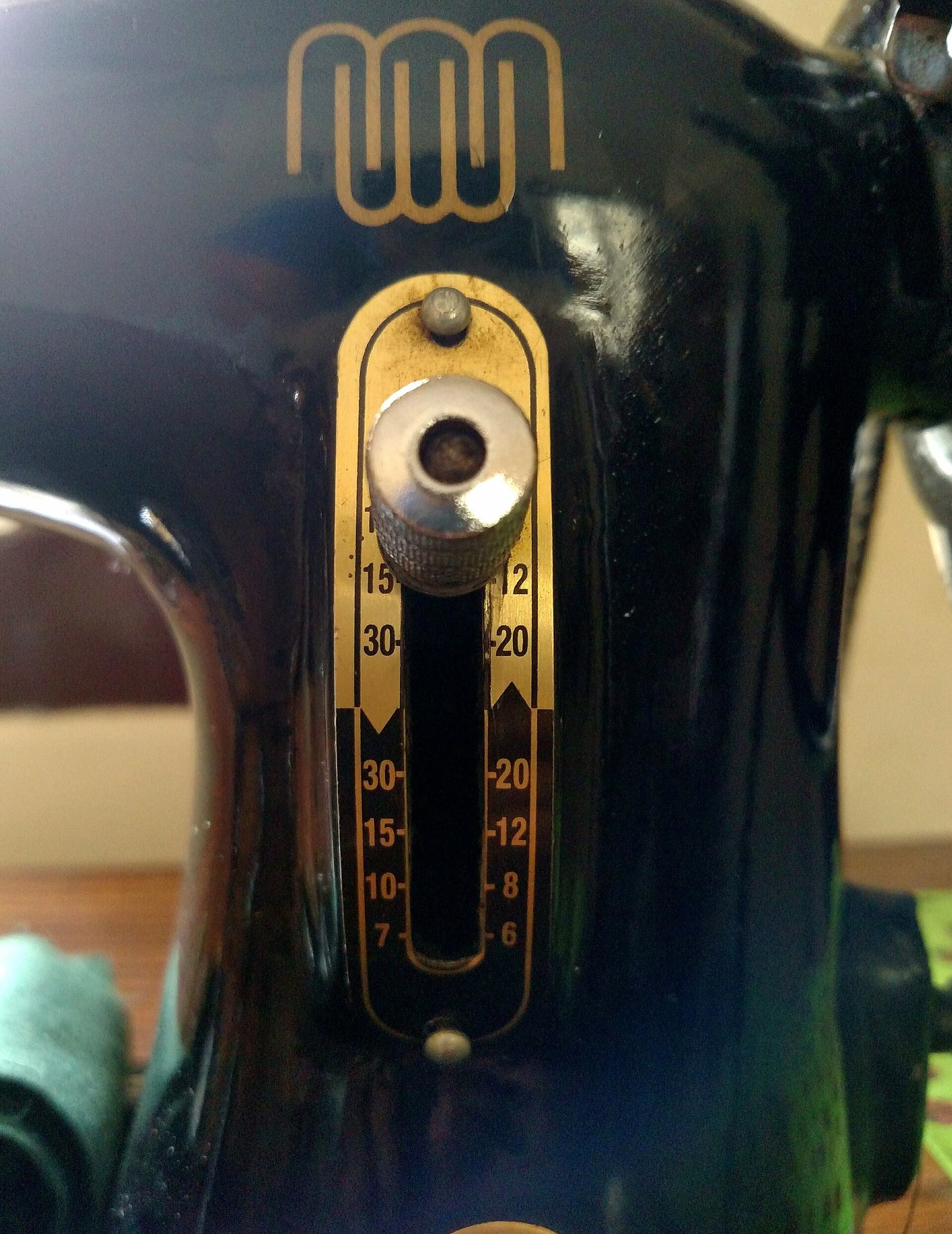
- Black hand and treadle machines: the stitch regulator lever on the front sets stitch length. If it sits at the zero mark, move it down to a middle number. On many of these machines, pushing the lever past zero sews in reverse, so check which way is forward
- Computerised machines: check the screen. Some stitches, such as buttonhole and satin stitch, use a very short length on purpose
2. Feed dogs are lowered or covered
- Look for a lever at the back of the free arm or under the extension table, often marked with a feed dog symbol. Move it to the raised position
- Turn the handwheel one full turn. On many machines the feed dogs only come back up once the wheel has turned
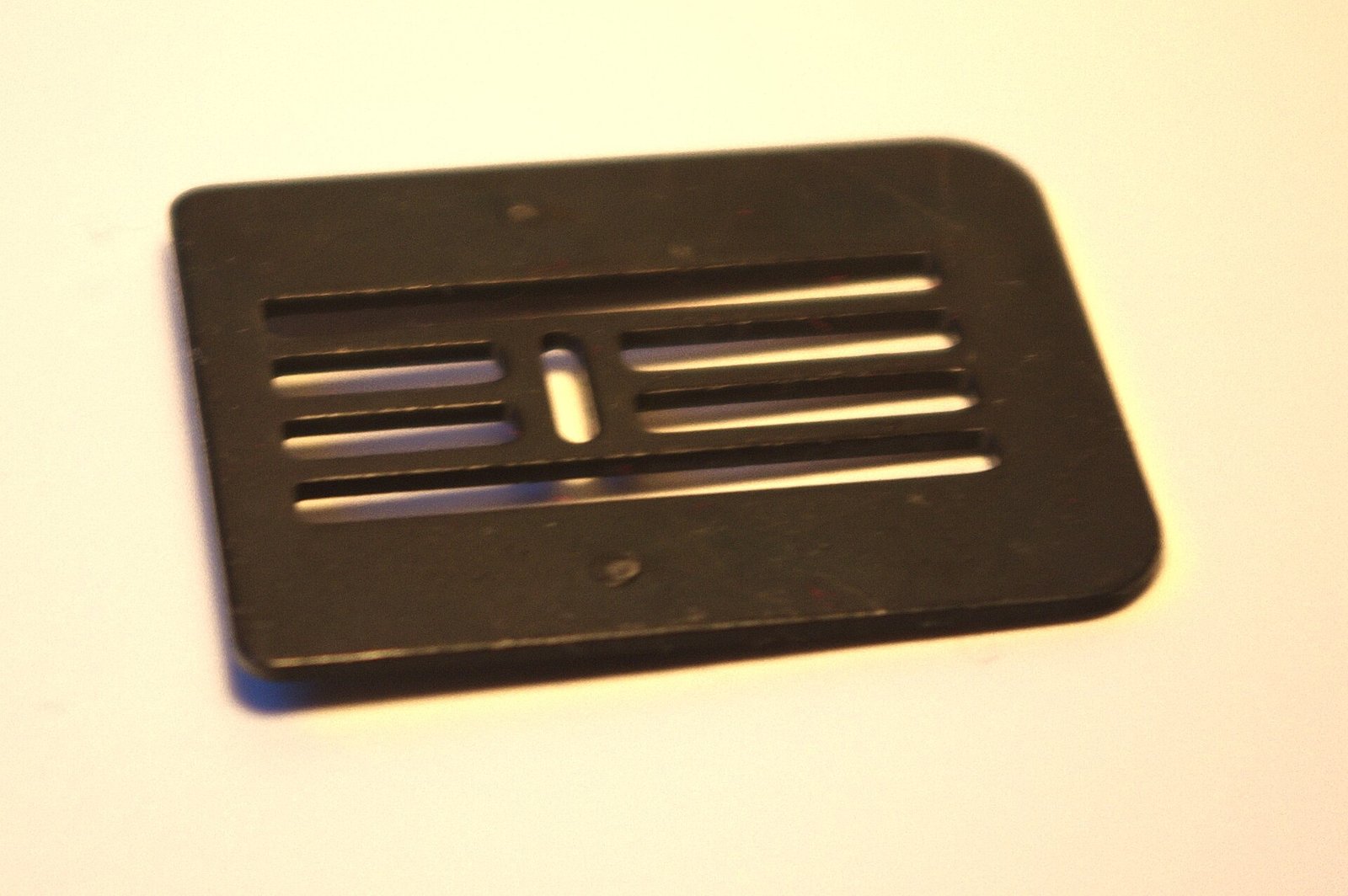
- If you see a flat plate over the feed dog slots with no teeth showing, remove the darning cover plate
3. Presser foot is not fully down
- Push the presser foot lifter at the back of the head all the way down before you press the pedal
- Check the foot is clipped on firmly. A snap-on foot that has come half off sits crooked and does not hold the fabric
- Make sure you are using the right foot. A buttonhole or satin stitch foot has grooves underneath and can slow the fabric on straight seams
4. Presser foot pressure is wrong for the fabric
- For normal cotton, use the standard setting your manual shows
- Increase pressure slightly for thin, slippery fabrics such as georgette and satin
- Reduce pressure for thick layers, quilted fabric and knits that stretch
- Change it in small steps and test on a scrap each time

5. Lint is packed in the feed dogs
- Switch off and unplug the machine
- Remove the needle and the presser foot so nothing gets bent
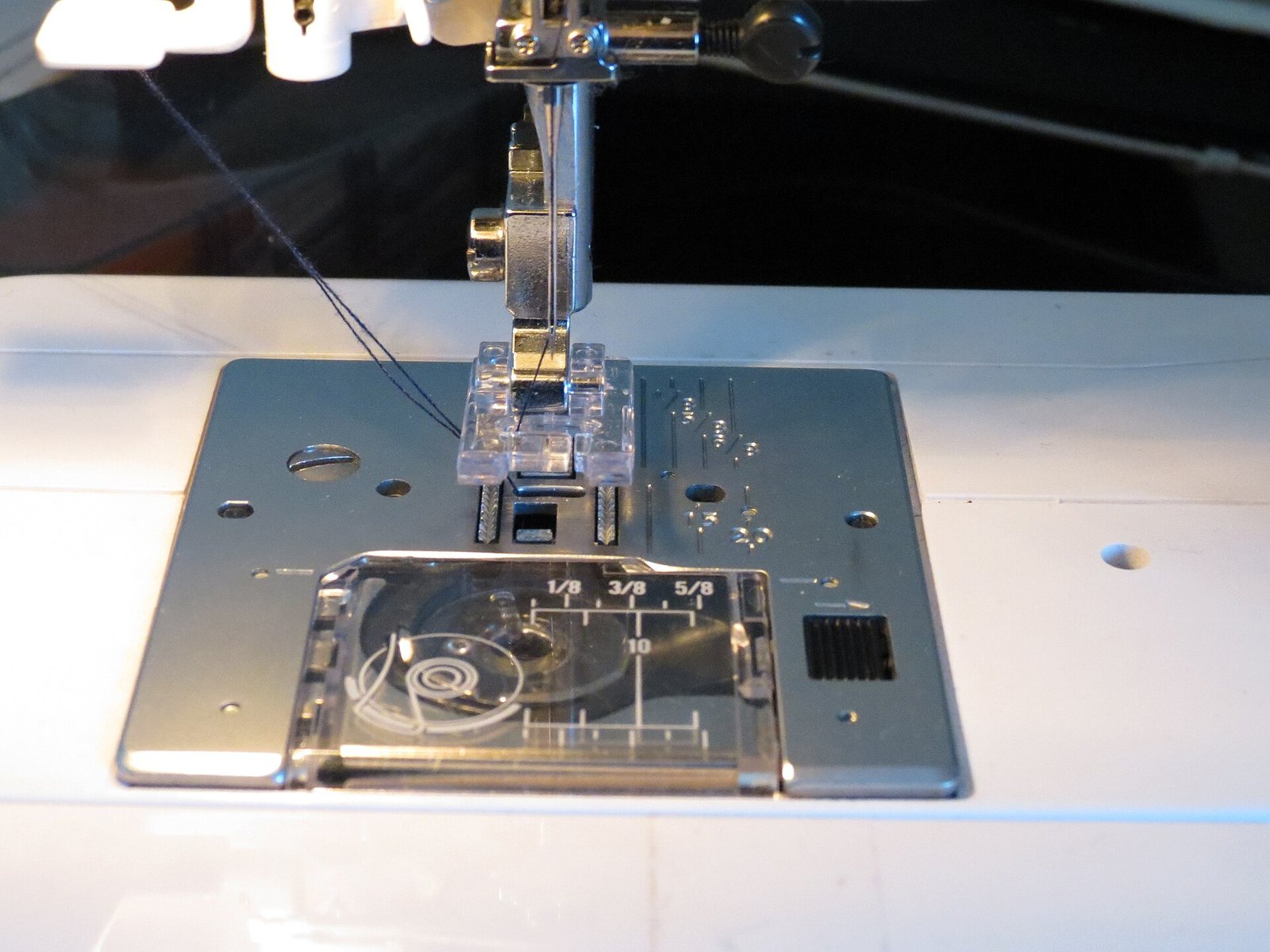
- Unscrew the needle plate (usually one or two screws) and lift it off
- Brush out the lint from between the teeth and around the bobbin area with a small brush
- Do not blow into the machine. The University of Kentucky extension sheet Sewing Machine Basics: Preventive Machine Maintenance warns that breath adds moisture and blowing packs lint deeper
- Put the plate back, check the feed dogs move freely, and fit a new needle
6. The needle is bent, blunt or the wrong size
- Fit a new needle of the right size: 70/10 or 80/12 for thin fabrics, 90/14 for everyday cotton, 100/16 for denim
- Push the needle all the way up with the flat side facing the back (on most home machines) and tighten the screw
- Use ballpoint or stretch needles on knits
- Make sure the thread runs freely off the spool. A spool that catches on its notch can jerk the fabric back
7. The seam is too thick, or there is a hump
- Lengthen the stitch to about 3 or 3.5 for thick layers
- Walk the needle over the thickest point with the handwheel instead of the pedal
- Put a folded strip of the same fabric behind the needle under the back of the foot so the foot stays level. When the front climbs the hump, move the shim to the front
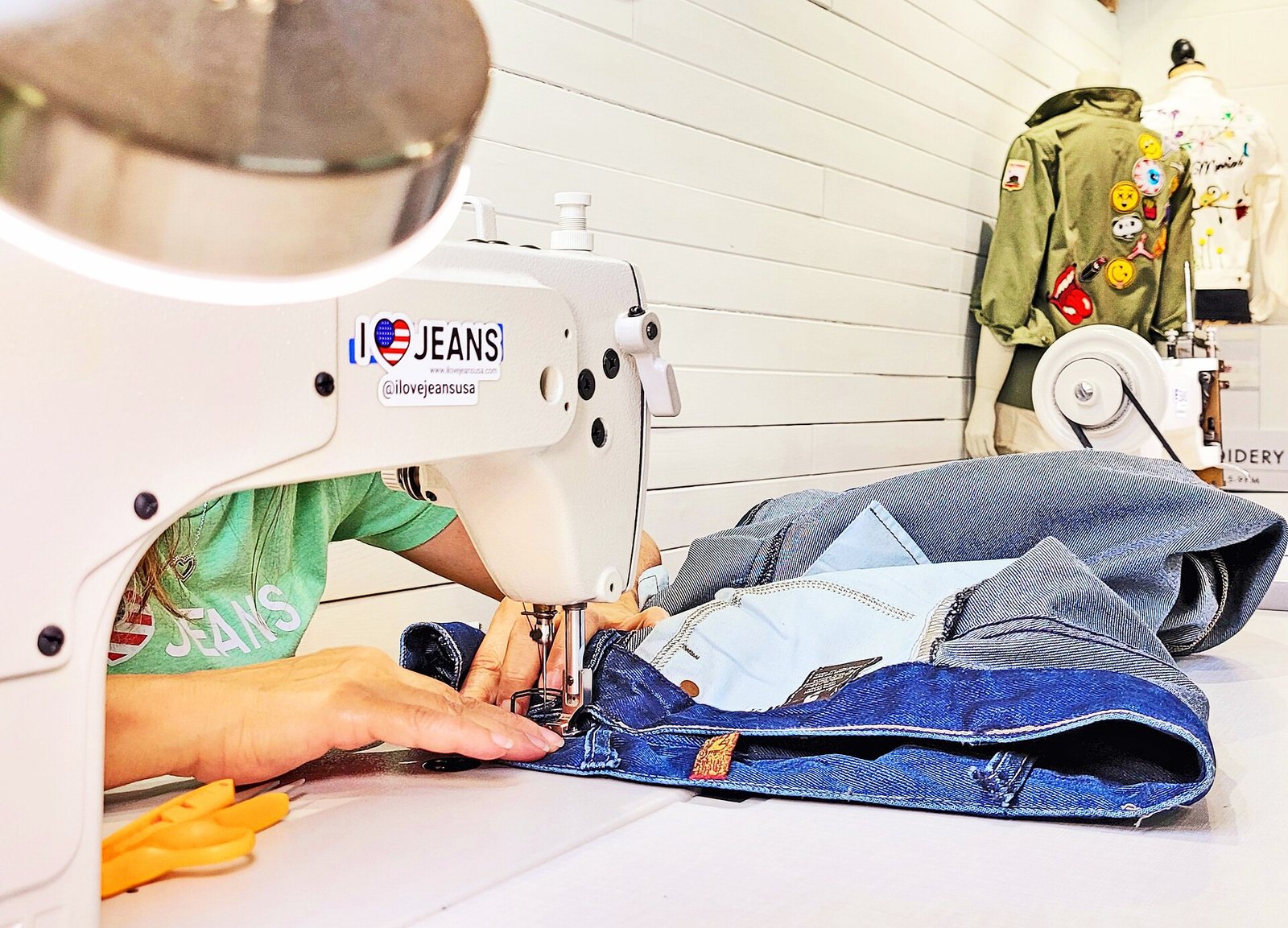
- Hammer the bulky seam flat before you sew it, which tailors often do on denim
- Use a 100/16 denim needle
8. The fabric is slippery, stretchy or very thin
- Put a strip of tissue paper or old newspaper under the fabric and sew through both. Tear the paper away afterwards
- Start the seam on a small scrap of cotton, then sew straight onto your fabric so the start does not get pulled down
- Hold both thread tails behind the foot for the first few stitches
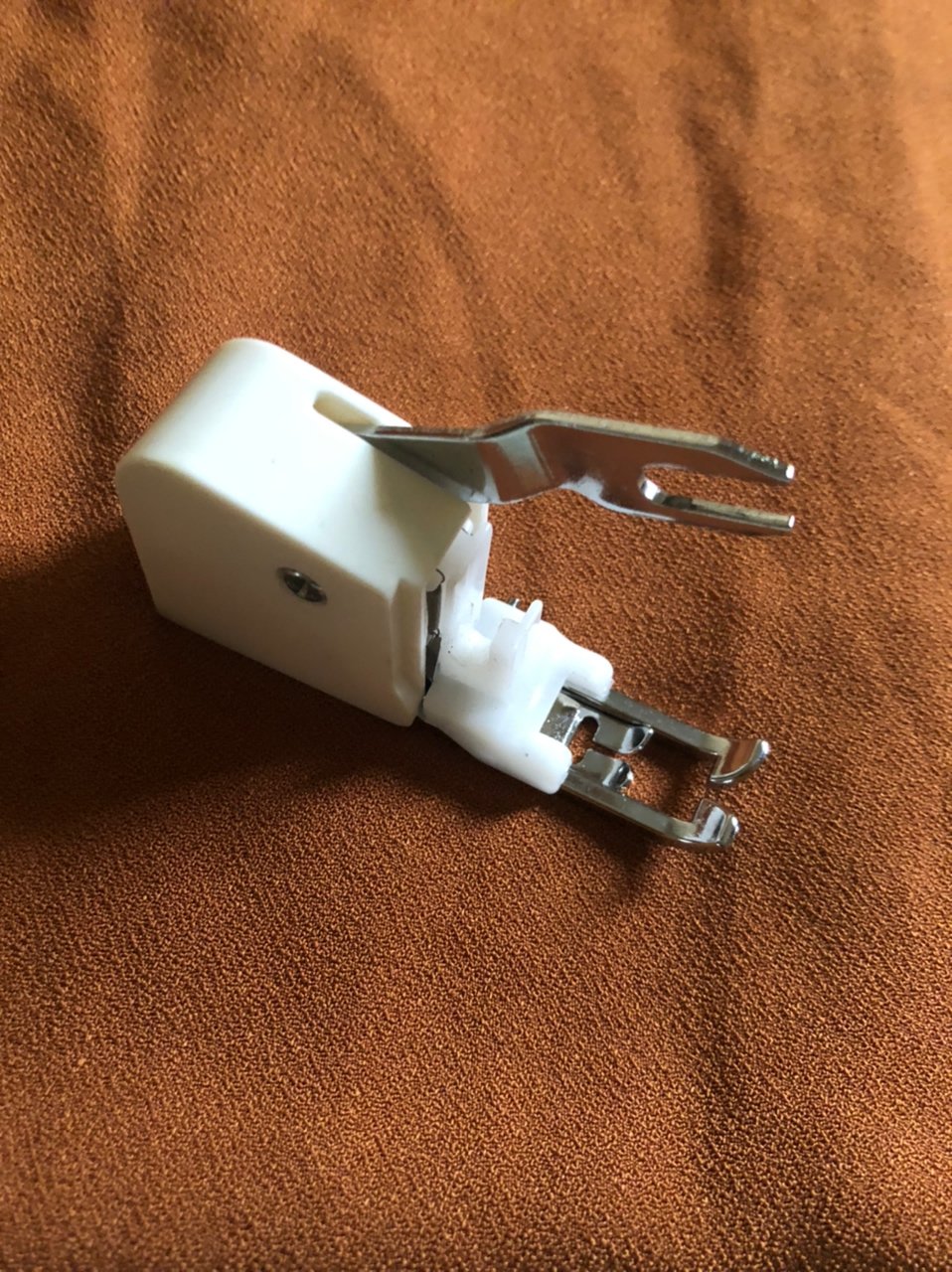
- Use a walking foot (even feed foot) for layers, quilting, velvet and stretch fabric. It grips from the top as well as the bottom
- Use a straight-stitch needle plate with a small hole if your machine has one
9. The feed dogs are worn, set too low or not moving (mechanic job)
- Worn feed dogs: run your finger across the teeth. The NMSU guide says that if they are not sharp, the feed dog should be replaced
- Feed dogs too low: at their highest point they should stand a little above the needle plate. A mechanic can adjust the height
- Feed dogs do not move at all when you turn the handwheel with the stitch length set high: a loose or broken link inside, which needs a repair
- Needle plate not seated correctly: after a cleaning it can sit slightly off and rub the feed dogs. Refit it and tighten both screws evenly
Symptom Checker: Match What You See to the Fix
| What you see | Most likely cause | What to do |
|---|---|---|
|
Needle sews in one spot, cloth does not move |
Stitch length at 0 |
Set length to about 2.5 |
|
Feed dogs not visible above the plate |
Feed dogs dropped or covered |
Raise the lever, turn the handwheel once |
|
Cloth moves a little, then stops |
Lint in the feed dogs or light pressure |
Clean under the needle plate, check pressure |
|
Stalls on thick seams only |
Foot tilting on a hump |
Shim under the foot, use the handwheel |
|
Thin fabric pulled into the hole |
Fabric too fine for the plate |
Tissue paper, start on a scrap |
|
Layers shift or top layer lags |
Top layer not gripped |
Walking foot, lighter pressure |
|
Thread nest underneath and no movement |
Presser foot up while sewing |
Lower the foot, rethread |
|
Feed dogs feel smooth |
Worn feed dogs |
Mechanic, replace feed dogs |
Do Not Push or Pull the Fabric
How to Stop Feeding Problems Coming Back
- Brush out lint from under the needle plate after every project
- Change the needle at the start of each new project
- Put the stitch length back to your normal setting after buttonholes and bar tacks
- Raise the feed dogs straight after darning or free-motion work
- Lower the presser foot before you press the pedal, every time
- Get the machine cleaned, oiled and adjusted by a mechanic about every two years
Frequently Asked Questions About Fabric Not Feeding
The most common reasons are a stitch length set to 0, feed dogs that are lowered or covered, a presser foot that is not fully down, and lint packed between the feed dog teeth. Check those four first. A bent needle, thick seams and slippery fabric can also stop the fabric moving.
Find the drop feed lever or button, usually at the back of the free arm or under the extension table, and move it to the raised position. Then turn the handwheel one full turn toward you. The feed dogs come back up as the needle completes the turn.
The stitch length is almost always set to 0, so the feed dogs do not travel. Turn the stitch length dial to about 2.5. On a black hand machine, move the stitch regulator lever away from the zero mark.
Yes. Lint packs between the feed dog teeth until they cannot grip. Unplug the machine, remove the needle plate and brush the area clean. Do this after every project.
The presser foot tilts on the hump so the feed dogs lose grip. Lengthen the stitch, walk over the hump with the handwheel, and put a folded strip of fabric under the back of the foot to keep it level.
Sew with tissue paper under the fabric and tear it off later, start each seam on a small cotton scrap, and hold the thread tails for the first few stitches. A walking foot also helps.
Feed dogs are the small toothed metal bars under the presser foot. They rise through the needle plate, grip the fabric and move it forward by one stitch length for every stitch.
If the feed dogs feel smooth, sit too low, or do not move when you turn the handwheel with a normal stitch length set, the feed mechanism needs repair or adjustment by a mechanic.
Key Takeaways

Hi, I’m Abirami. I have many years of hands-on experience in sewing and tailoring, from stitching everyday clothes and blouses to doing alterations at home. I write Riderly’s sewing machine reviews and guides, and I use that experience to judge which machines are easy to thread, stitch cleanly and suit Indian homes and beginners.