Uneven Stitches on a Sewing Machine: Causes and Fixes
Quick Answer: Why Are My Machine Stitches Uneven?
- Stitch length changes along the seam: how you guide the fabric, speed, feed or pressure
- Stitches tight in some places and loose in others: threading, tension discs, bobbin or thread
- Top and underside look different: tension balance between the top and bobbin threads
- Seam line wanders: guiding technique and the seam guide
First, Work Out Which Kind of Uneven You Have
- Thread the top with one colour and the bobbin with a clearly different colour
- Take a double layer of plain cotton about 30 cm long
- Set a straight stitch at length 2.5 and sew a 20 cm line at a steady, medium speed
- Look at both sides in good light
- Length varies: some stitches are clearly longer or shorter than others. Go to causes 1, 2, 8 and 9
- Tension varies along the seam: the bobbin colour pops up on top in some places, or the top colour shows underneath in patches. Go to causes 3 to 7
- The same problem along the whole seam: bobbin colour on top all the way, or loops under the whole seam. That is an overall tension balance problem. See the tension section below, and our guide to loose or loopy stitches underneath if you see loops
- Gaps where stitches are missing: that is skipping, not uneven stitching. See sewing machine skipping stitches
The 9 Common Causes of Uneven Stitches
1. Pushing or pulling the fabric
- Rest your hands flat on either side of the presser foot and only steer
- Let the feed dogs pull the fabric. Your hands should feel almost no drag
- On long seams, support the weight of the fabric on the table so it does not hang off the edge and pull
- Pulling also bends needles. Both the NMSU and University of Kentucky extension guides warn about this

2. Sewing speed keeps changing
- Find a medium speed you can hold and keep the pedal steady
- If your machine has a speed slider, set it lower while you practise
- On a treadle machine, keep a smooth, even rocking rhythm rather than short bursts
- Slow down before corners and curves, not in the middle of a straight line
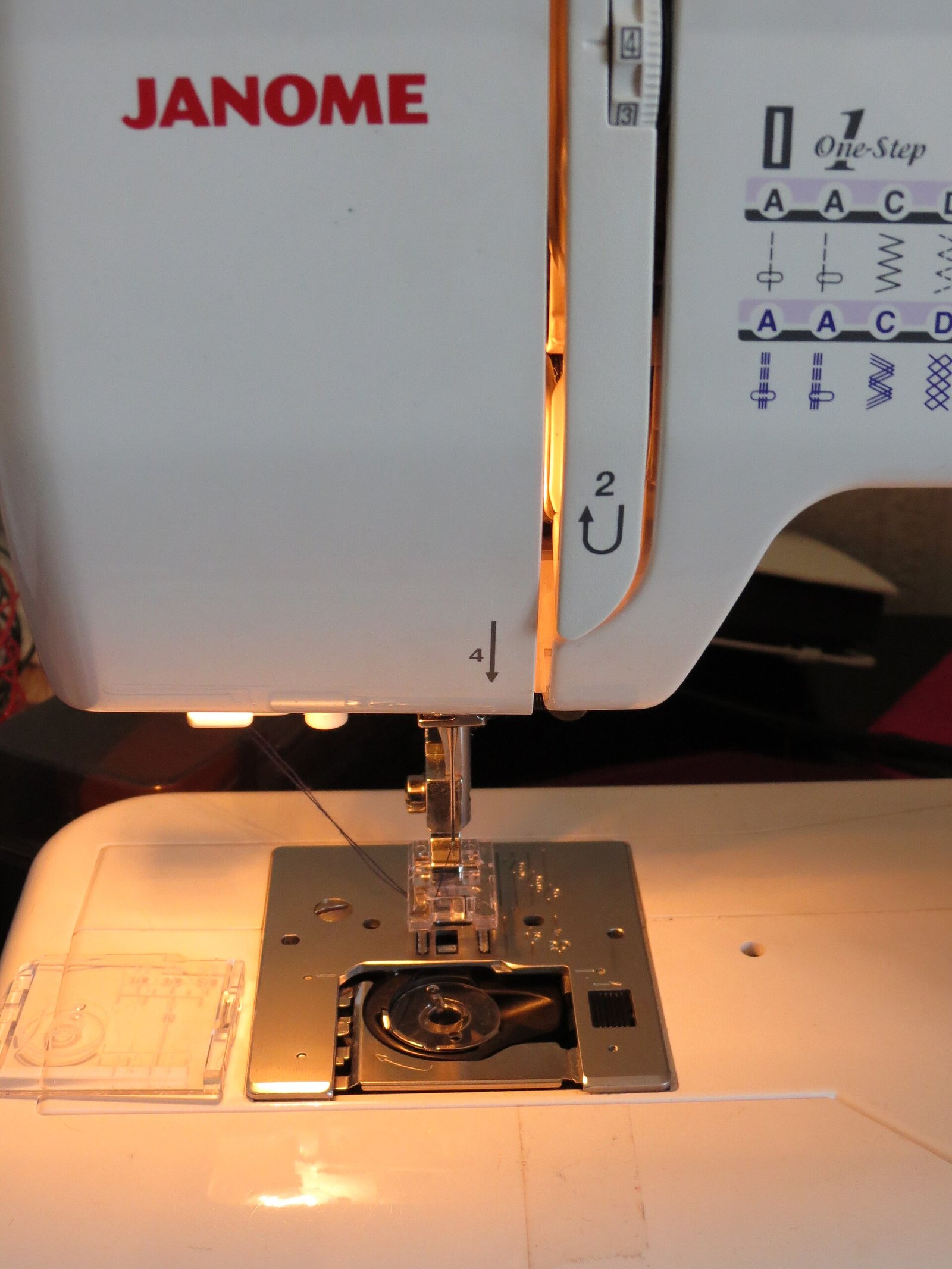
3. The top thread is not seated in the tension discs
- Raise the presser foot before threading. This opens the discs so the thread can drop between them
- Take the thread out completely and rethread from the spool, following the numbers on your machine
- Hold the thread with both hands and give it a small tug into the tension slot so you feel it seat
- Check the thread goes through the eye of the take-up lever. When the lever is at its highest point, it is easy to see

4. Lint or thread bits between the tension discs
- Raise the presser foot so the discs open
- Fold a piece of plain cotton cloth (muslin or an old handkerchief) into a thin strip
- Slide it between the discs, moving it up and down a few times like dental floss
- Rethread and sew a test seam
5. Bobbin problems
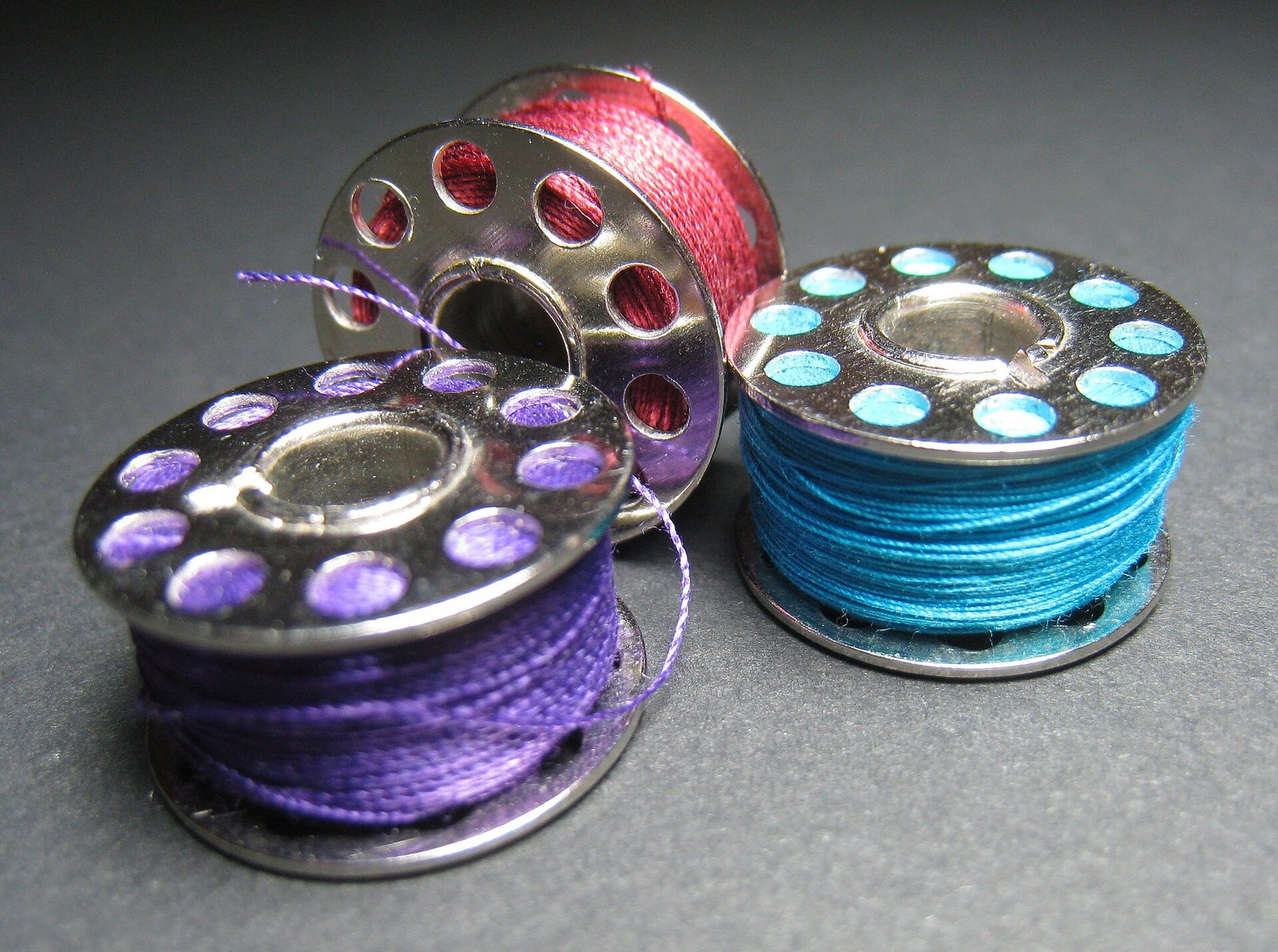
- Uneven winding: a bobbin wound loosely, lumpy or too full feeds thread unevenly. Rewind it at a steady speed so the thread lies smooth and tight
- Wrong bobbin: bobbins look similar but differ in height and material. A bobbin that is slightly the wrong size wobbles in the case
- Inserted the wrong way: check your manual for which way the bobbin should turn when you pull the thread
- Thread not in the bobbin case spring: make sure the thread slides under the small tension spring on the case or the drop-in holder
- Lint under the bobbin case spring: brush it out, the NMSU guide lists this as a cause of bottom thread trouble
6. Mixed or poor-quality thread
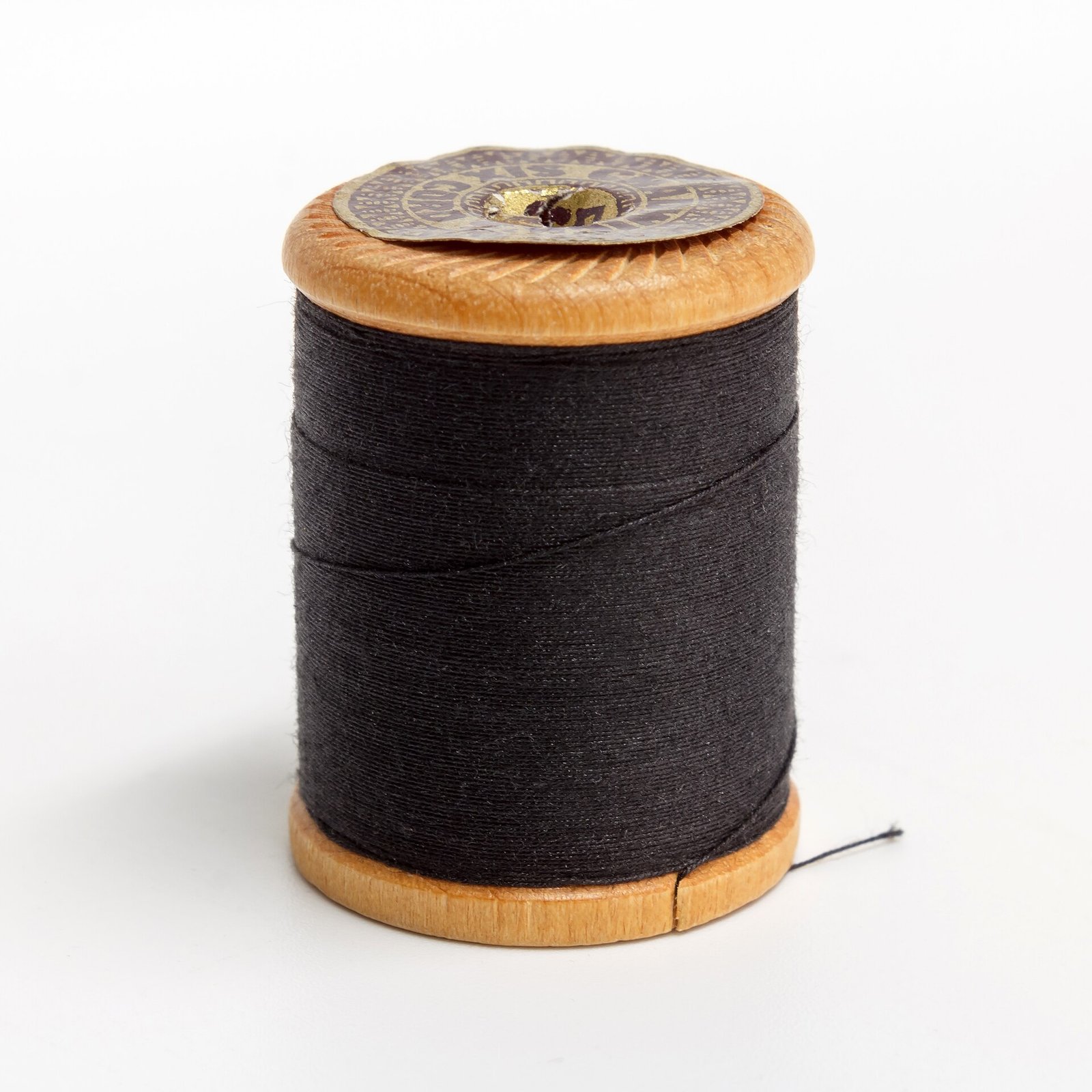
- Use the same thread type and thickness in the needle and the bobbin. The NMSU guide notes that different sizes or types top and bottom cause tension problems
- Cheap thread has thick and thin spots and small knots, so the tension changes as each one passes through the discs. The University of Kentucky sheet advises against bargain thread for this reason
- Old thread that has dried out breaks and drags. If a reel snaps easily when you pull it with your hands, replace it
- Place the spool so the thread comes off smoothly and does not catch on the notch in the reel
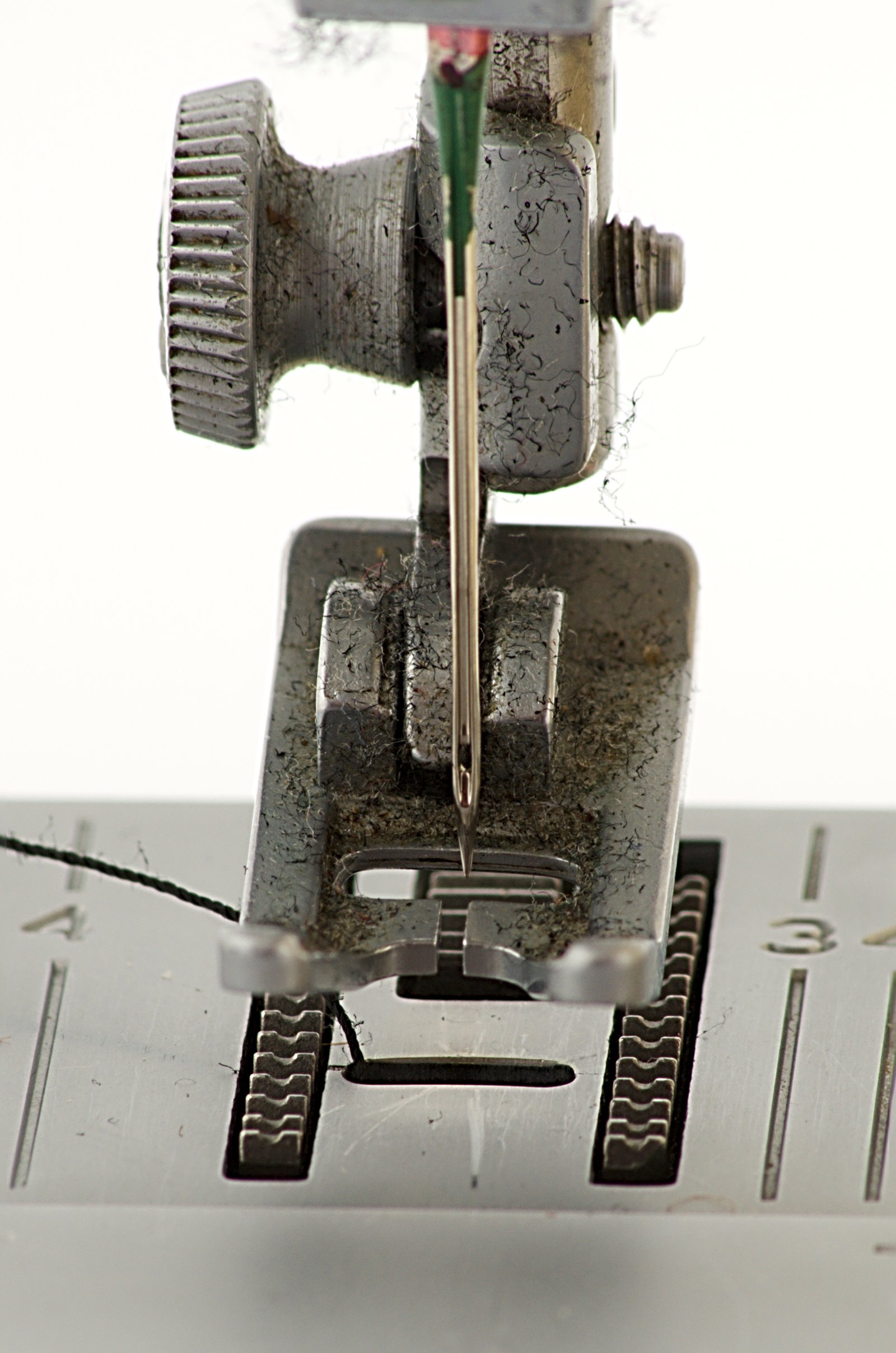
7. Blunt, bent or wrong needle
- Fit a new needle at the start of every project
- Match the needle to the fabric: 70/10 to 80/12 for thin fabrics, 90/14 for cotton, 100/16 for denim
- Use ballpoint needles for knits and jersey
- Push the needle all the way up and tighten the clamp screw firmly
8. Presser foot pressure, a loose foot, or layers creeping
- Check the foot is clipped on firmly and sits straight
- Use the standard pressure setting for normal cotton. Increase it a little for thin slippery fabric and reduce it for thick layers
- Pin across the seam line every few centimetres on slippery fabric
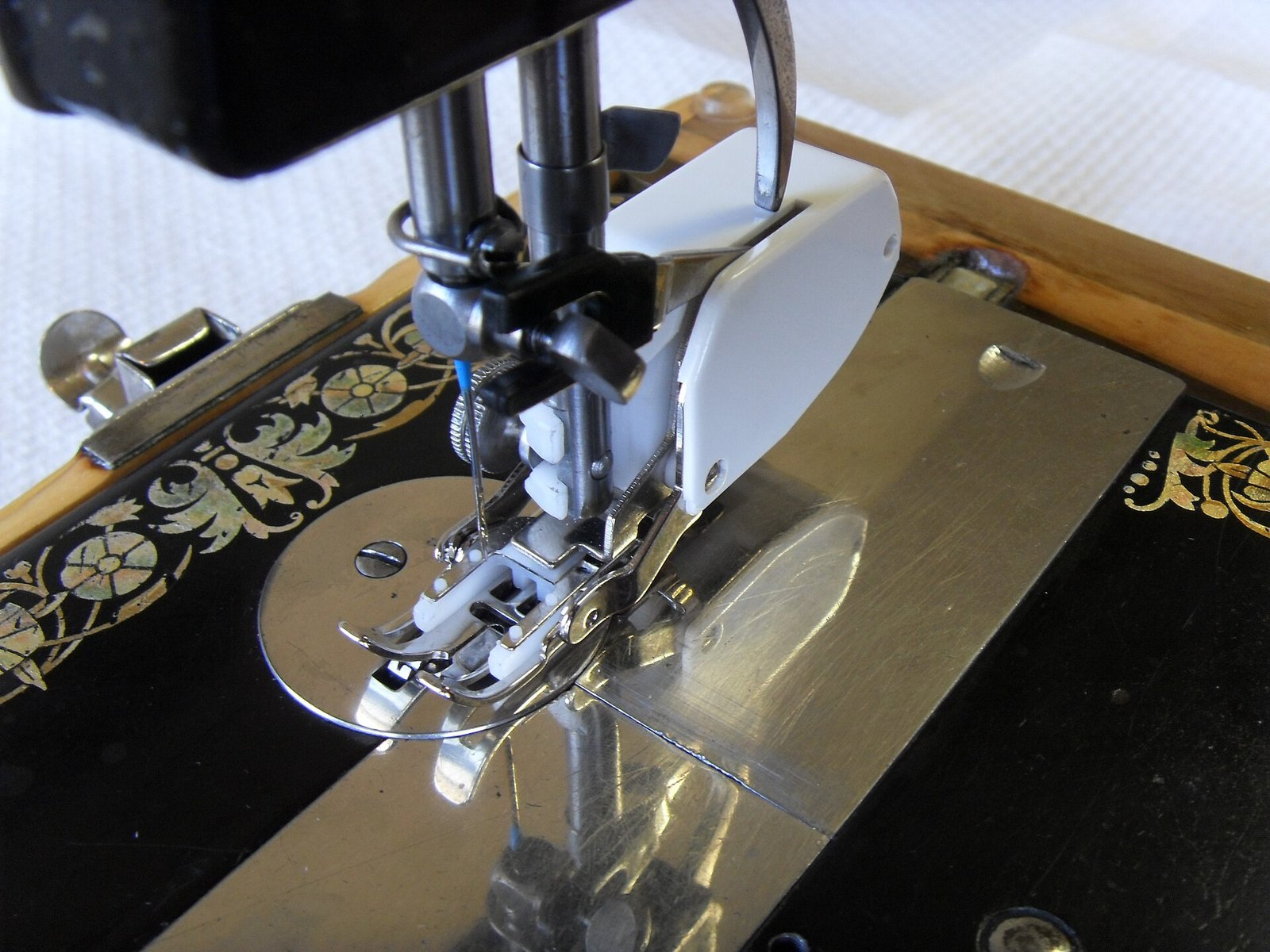
- For layers, velvet and stretch fabric, use a walking foot or even feed foot
9. Stitch dial not set properly, or lint in the feed dogs
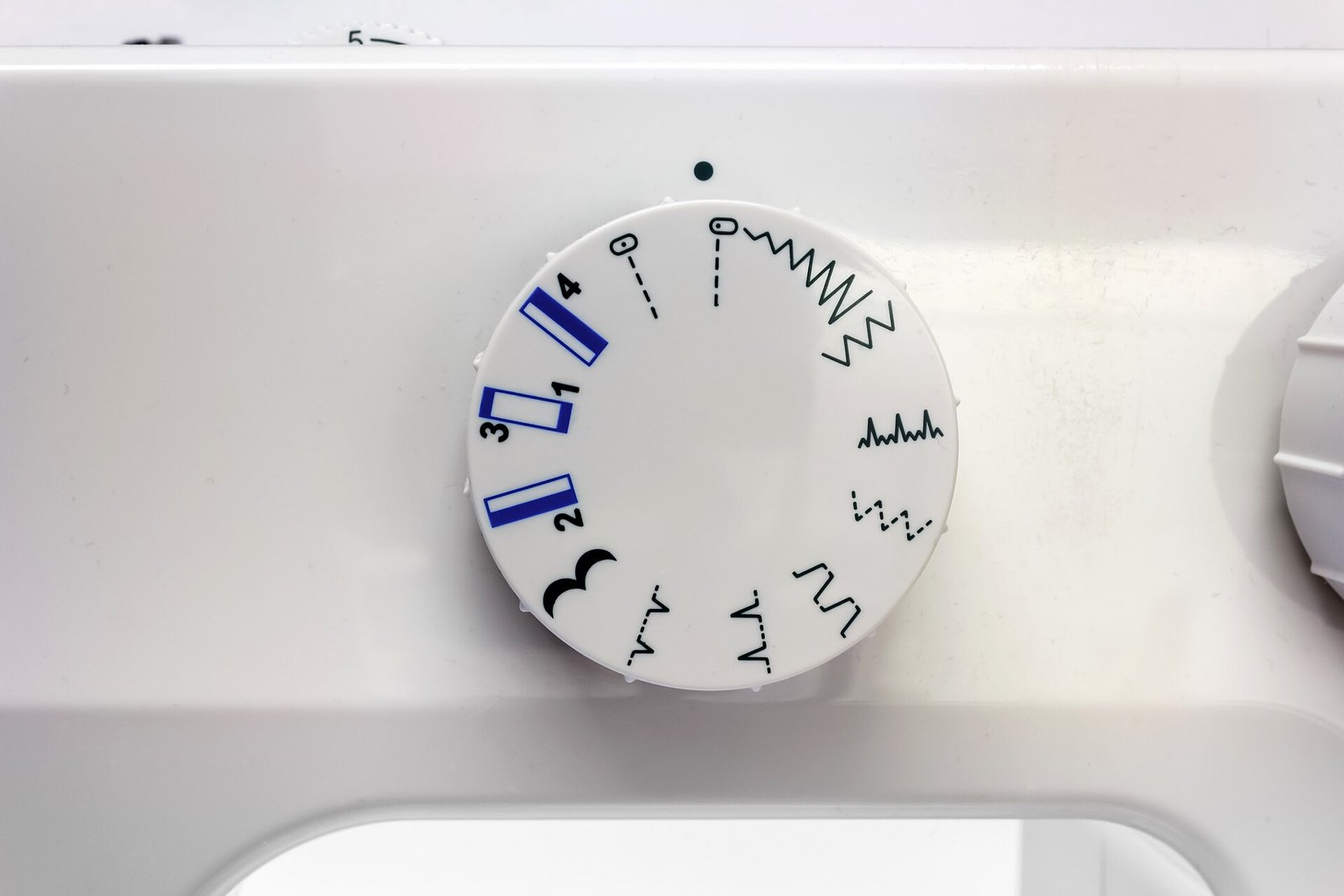
- Turn the stitch selector and stitch length dials until they click firmly into position
- Use stitch length 2 to 3 for most dressmaking. Very short stitches on thick fabric bunch up, and very long ones on thin fabric pucker
- Remove the needle plate and brush out the feed dogs and bobbin area
- If the fabric also stops moving now and then, read our guide on sewing machine not feeding fabric
Symptom Checker: Uneven Stitches
| What you see | Likely cause | What to do |
|---|---|---|
|
Long and short stitches in the same seam |
Pushing or pulling the fabric |
Hands flat, only steer |
|
Tension changes when you speed up |
Uneven pedal pressure |
Hold a steady medium speed |
|
Patches of loops, then normal stitches |
Top thread out of the tension discs |
Rethread with the foot up |
|
Tension changes for no clear reason |
Lint between discs or uneven thread |
Floss the discs, change the thread |
|
Bottom of the seam uneven |
Badly wound or wrong bobbin |
Rewind, use the correct bobbin |
|
Top layer stitches longer than bottom |
Layers creeping |
Walking foot, pins across the seam |
|
Uneven stitches and pulled threads in fabric |
Blunt or bent needle |
New needle of the right size |
|
Stitch type keeps changing |
Selector dial between positions |
Click the dial fully into place |
How to Balance the Thread Tension
- Use the two-colour test seam from the start of this guide, on two layers of the fabric you will actually sew
- Many home machines mark a normal range in the middle of the tension dial (often around 4). Start there and check your manual
- If bobbin colour shows on top, the top tension is too tight. Turn the dial to a lower number
- If top colour shows underneath, the top tension is too loose. Turn the dial to a higher number
- Change one number at a time and sew a new test line after each change
- Leave the bobbin case screw alone unless your manual says otherwise. Some machines have factory-set bobbin tension
When It Is the Machine, Not You
- Tension discs worn with grooves from years of thread
- A bent or broken check spring next to the tension discs
- Feed dogs worn smooth, so grip varies from stitch to stitch
- A nicked bobbin case or hook that catches the thread
- Timing that has slipped after a hard knock or a broken needle
Frequently Asked Questions About Uneven Stitches
The most common causes are pushing or pulling the fabric, changing speed while sewing, a top thread that has slipped out of the tension discs, lint between the discs, a badly wound bobbin, mixed or poor thread and a blunt needle. Rethread with the presser foot up, wind a new bobbin, fit a new needle and sew at a steady speed.
Usually because the fabric is being pushed or pulled by hand. Let the feed dogs move the fabric and only steer. Lint in the feed dogs, wrong presser foot pressure and a loose presser foot can also change the stitch length.
Rethread the top thread with the presser foot raised, floss the tension discs with a strip of plain cloth, rewind the bobbin evenly and use the same thread top and bottom. Then sew a two-colour test seam and adjust the top tension one number at a time.
Yes. Speeding up and slowing down changes how the thread pulls through the tension discs, so stitches lock differently along the seam. Keep the pedal at a steady medium speed.
Many home machines mark a normal range in the middle of the dial, often around 4, but this varies by model. Check your manual and always test on the fabric you plan to sew.
Mess underneath usually means the top thread is not in the tension discs or take-up lever. Rethread the top with the presser foot up. If you see loops underneath, read our guide to loose or loopy stitches.
Yes. Cheap thread has thick and thin spots and knots that change the tension as they pass through the discs. Old dry thread also drags. Use good polyester or cotton thread of the same type in the needle and bobbin.
If the stitches stay uneven after rethreading, cleaning, a new needle, new bobbin and good thread, the tension discs, check spring, feed dogs or timing may need a mechanic.
Key Takeaways

Hi, I’m Abirami. I have many years of hands-on experience in sewing and tailoring, from stitching everyday clothes and blouses to doing alterations at home. I write Riderly’s sewing machine reviews and guides, and I use that experience to judge which machines are easy to thread, stitch cleanly and suit Indian homes and beginners.